











A camera inspection sends a video line into your sewer or drain to show exactly what is failing, which no surface-level diagnostic can do. Tigard homeowners need one when two or more warning signs appear at the same time.
Tigard has grown significantly over the past several decades, and its plumbing infrastructure reflects that history. Homes near the older Highway 99W corridor and established neighborhoods like Metzger and Summerlake sit on original sewer infrastructure that predates modern materials, while newer developments along the Bull Mountain area have their own post-construction settling issues.
With over 25 years of professional experience, Alchemy Plumbing reads what the camera shows and explains it in plain terms. In our work serving Tigard homeowners, a camera inspection consistently catches problems before they turn into major repairs.
Key Points
- A bill spike with no change in habits means water is escaping somewhere in the system
- Multiple slow drains, not just one, point to a main line problem
- Banging, gurgling, and hissing each signal a different fault
- Discolored or odd-tasting water means something changed in the supply lines
- Root intrusion from mature Tigard trees is the most consistent cause we find
What Are the Common Signs Your Pipes Need Attention?
Pipes communicate before they fail. A spike in the water bill with no change in usage habits indicates water is escaping somewhere in the system. Damp patches appearing on walls or ceilings in locations unrelated to weather are interior leak evidence.
Gurgling or banging sounds from pipe runs signal either trapped air or a pressure irregularity that warrants investigation. Persistent low water pressure across multiple fixtures, not just one, points toward a supply line issue or a significant partial blockage.
Foul odors from drains consistently indicate organic buildup or sewer line compromise. Proactive maintenance prevents these issues from escalating, but when several signals appear together, a professional sewer line inspection is the right diagnostic step.
How Do You Tell a Local Clog From a Main Line Problem?
One slow drain usually means a localized clog. Multiple slow drains, or a drain that slows progressively over weeks despite clearing attempts, almost always indicate a main line issue.
In Tigard’s established neighborhoods, root intrusion from mature street trees and landscaping is a leading cause, followed by accumulated grease and soap scale in older cast iron drain lines.
The instinct to reach for chemical products is understandable but usually counterproductive. Chemical drain openers dissolve soft clogs temporarily and leave both the pipe walls and the underlying blockage source largely intact. They also degrade older pipe materials over time.
At Alchemy Plumbing, we use professional drain cleaning tools to clear blockages completely and accurately, so the system runs efficiently afterward.
Unusual Plumbing Sounds to Watch For
Banging Pipes
Banging pipes, known as water hammer, occur when flowing water stops suddenly and the kinetic energy creates a pressure shockwave through the line. It is more common in homes with high water pressure or fast-closing solenoid valves in appliances.
Occasional mild knocking is usually manageable with a pressure-reducing valve adjustment. Persistent, hard banging warrants a professional assessment to confirm no fittings or joints have been weakened.
Gurgling Drain Noises
Gurgling after water clears signals air being forced through a partial blockage or a venting issue in the drain stack. When gurgling affects multiple fixtures at once, the main line is involved.
A camera inspection identifies whether the cause is a blockage, a root intrusion, or a compromised vent. Each one requires a different resolution.
Hissing Water Sounds
A hissing sound from behind walls, near appliances, or at pipe connections indicates water escaping under pressure. This is one of the more urgent plumbing sounds to respond to, because pressurized water escaping a failing connection or pinhole leak accelerates damage quickly.
Contact Alchemy Plumbing for a same-day assessment if you hear this in your Tigard home.
Why Do Water Quality Changes Matter?
Contaminants in the Water Supply
A change in water quality, whether cloudiness, sediment, or discoloration, indicates something has changed in either the supply lines or the municipal water being delivered. Heavy metals, pesticides, and bacterial contamination can infiltrate residential systems through corroding pipes or compromised connections.
Regular camera inspections and water quality monitoring provide early detection.
Unusual Taste or Odor
A metallic taste, or a musty, chlorine-heavy, or sulfuric smell that appears suddenly in tap water, signals that something in the plumbing system has changed. Rusting iron pipe, organic material in the water line, or sewer gas entering through a compromised P-trap or vent all produce these effects.
A camera inspection paired with expert water leak detection identifies the source accurately.
Discoloration of Water
Rust-brown, yellowish, or cloudy water from taps is not a normal condition. It indicates iron rust from aging steel pipe, sediment from a disturbed line, or contamination from a compromised section of the system.
Alchemy Plumbing can assess the source and recommend the appropriate repair or replacement scope.
What Tells You a Leak Is Still Active?
Three signals mean a leak is ongoing rather than resolved: a water bill that stays elevated after a visible repair, damp patches recurring in the same location, and a musty smell that returns after airing out.
All three point the same direction, which is that the source was never accurately identified. A camera inspection through the suspected area reveals what surface-level diagnostics miss, including leaks behind finishes, under slabs, or in underground lines.
Detecting Mold and Mildew in Your Home
Mold from plumbing leaks establishes in wall cavities, under flooring, and in ceiling assemblies before it becomes visible on finished surfaces.
In Tigard homes where a plumbing issue has been present for a few weeks or longer, professional mold assessment alongside the plumbing repair scope is a reasonable precaution. Alchemy Plumbing evaluates the moisture contribution of any active leak and helps define the full scope of what a repair needs to address.
What Causes Bad Odors in Plumbing Systems?
Clogged Drain Issues
Organic buildup from food particles, hair, soap accumulation, and grease creates bacterial growth in the drain line that generates persistent odors. Regular maintenance clears this accumulation early, but once odors are already present, professional cleaning is required.
Sewer Line Problems
Odors that return consistently after drain cleaning, especially alongside gurgling or slow flow, often point to the sewer line. Root intrusion, line offset, or a partial collapse creates conditions where sewage gases enter the living space through the drain system.
A camera inspection of the main line identifies these conditions precisely.
Bacterial Growth Sources
Stagnant water in infrequently used drain traps, organic material in slow-moving lines, and moisture in crawl spaces all support bacterial growth that generates odors.
A dry P-trap is the simplest fix, and running water through infrequently used drains keeps the seal intact. More persistent odors warrant investigation of the line and vent conditions.
How Do Tree Roots Damage Your Sewer Line?
Tigard’s mature residential landscaping makes root intrusion one of the most consistent plumbing issues we encounter. Tree roots follow moisture through soil and enter sewer lines through any available joint or crack.
Once inside, they grow along the pipe’s interior and create a progressively narrowing channel that eventually causes backups and structural damage to the line. The EPA identifies tree roots, grease, and flushed household products as leading causes of sanitary sewer blockages and overflows.
A camera inspection identifies root intrusion early, when clearing and targeted repair is still sufficient, rather than after the intrusion forces a complete line replacement. Homeowners who want their line checked can book a sewer line inspection in Tigard before the next backup.
When Should You Schedule a Camera Inspection?
The case is clear in four situations: when two or more of the signals above are present, when a recurring problem has not resolved after standard service, when purchasing a property and wanting to know the actual condition of the sewer system, or when planning a remodel that involves opening walls or floors near plumbing runs.
A camera inspection is a $200 to $500 investment that can identify, and let you properly budget for, potential thousands of dollars in required repairs.
If you recognize your home in that list, do not wait for the backup that forces the decision. Same-day availability and financing options mean the diagnosis does not have to wait for a convenient month.
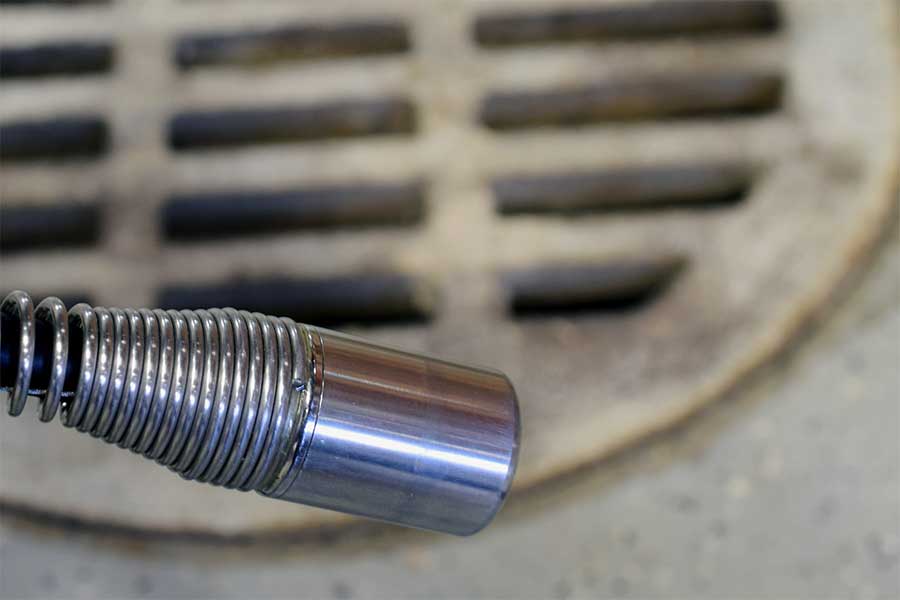
The Value of a Professional Camera Inspection in Tigard
A professional camera inspection delivers diagnostic clarity that no surface-level assessment can match. Our technicians review findings with homeowners in real time, explaining what the camera reveals in plain terms and presenting repair options with transparent pricing.
No guesswork, no unnecessary work, and no surprises in the final invoice. If your Tigard home is showing any of the signs in this guide, schedule your appointment today and get a clear picture of your plumbing system’s condition.