











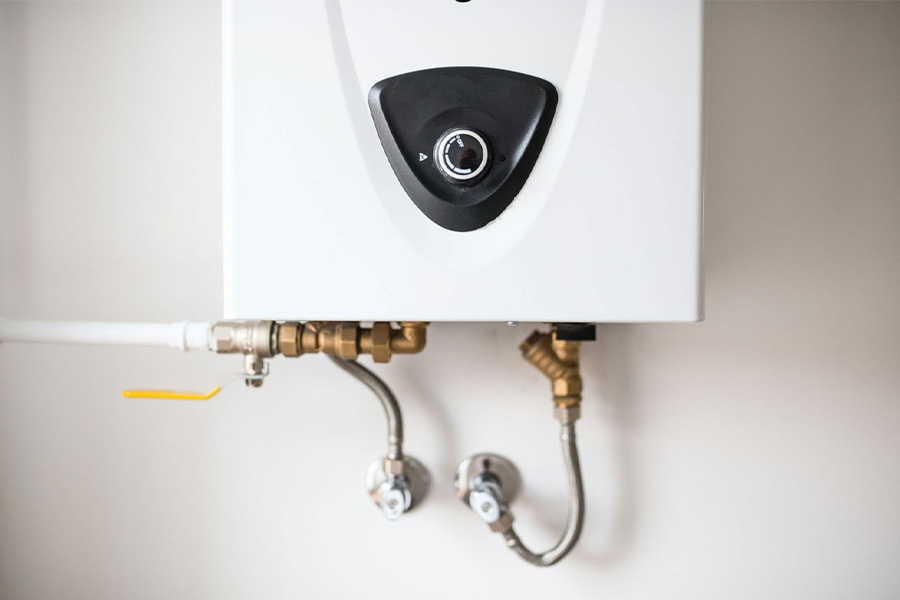
The most common tankless water heater problems in Aloha, OR are insufficient hot water, fluctuating temperatures, leaks, error codes, and unusual noises. Most trace back to sizing, sediment, or sensor faults, and most need a licensed plumber rather than DIY guesswork. In our service calls throughout Aloha, from homes near Aloha High School and along Tualatin Valley Highway to quieter streets off 185th Avenue, we have seen how quickly a small tankless issue can throw off busy mornings and evening routines. Knowing when to let a professional step in can save you time, money, and stress, which is why many homeowners call the trusted plumbers in Aloha, OR who work with these systems every day.
Key Points
- The five most common tankless problems are low hot water, temperature swings, leaks, error codes, and unusual noises.
- Sediment buildup and incorrect sizing are behind most performance complaints, especially in Aloha’s hard-water pockets.
- Error codes and leaks are warning signs, not nuisances. Repeated resets and DIY fixes usually make them worse.
- A licensed technician can run diagnostics under load, protect your warranty, and tell you when repair beats replacement.
- With over 25 years of experience, Alchemy Plumbing diagnoses the real source of the problem instead of guessing.
Why Is My Tankless Water Heater Not Producing Enough Hot Water?
Insufficient hot water usually means the unit’s flow rate has been exceeded, the heater is undersized for the household, or sediment has built up inside. Tankless water heaters are designed to provide an endless supply, but running multiple hot water outlets at once can push past the heater’s capacity.
You might also see this problem if the unit was never sized correctly for your home’s demand. Another common culprit is mineral buildup inside the heater. Over time, sediment accumulates and drags down performance, so it is vital to have your system flushed regularly by a qualified technician rather than relying on trial-and-error adjustments.
If you have ruled out these factors and still face weak hot water, it is time to call a pro. A technician can assess your system and confirm it is working at peak performance. Regular maintenance and structured tankless tune-ups help prevent these issues and extend the life of your unit, especially in Aloha’s hard-water pockets, which is exactly what scheduled tankless water heater services are built to deliver.
What Causes Fluctuating Water Temperature in a Tankless Heater?
Fluctuating water temperature is usually caused by an undersized unit, sediment buildup, or a malfunctioning sensor. If your shower suddenly turns cold or scalding, one of these three issues is almost always behind it.
- Inadequate sizing: A tankless heater that is not sized for your household struggles to deliver consistent hot water during peak usage times.
- Sediment buildup: Minerals accumulate inside the unit over time, reducing efficiency and triggering temperature swings. Routine maintenance helps prevent this.
- Malfunctioning sensors: A faulty temperature sensor sends incorrect readings to the system, causing erratic water temperatures.
Tankless units rely on sensitive flow and temperature sensors, so guesswork can easily make the problem worse. If you have tried basic checks like staggering hot water use and still have problems, it is time to call a pro. Licensed technicians handle expert water heater repair every week and can provide a thorough diagnostic inspection and effective solutions to restore your hot water quickly and safely.
What Should I Do About a Leaking Tankless Water Heater?
A leaking tankless water heater needs fast professional attention because leaks point to a problem with the connections, valves, or the unit itself. If you notice water pooling around your heater or hear dripping sounds, act quickly. Ignoring these signs can lead to water damage, mold growth, or a complete system failure.
You can visually check the area around the unit for obvious moisture or staining, but avoid opening panels or altering gas and electrical connections yourself. Tightening random fittings without knowing what you are adjusting can create bigger problems.
A qualified plumber can diagnose the issue accurately and recommend the best solution. With over 25 years of experience, Alchemy Plumbing resolves leaks efficiently and effectively, using professional leak detection methods that find the source with minimal disruption to your home. Do not let small drips turn into big headaches. Bringing in a professional quickly is the safest way to protect your home and equipment.
What Do Tankless Water Heater Error Codes Mean?
Error codes are warnings that a specific system component needs attention, and they should not be cleared by repeated resets. Understanding these alerts helps you catch problems before they escalate. According to the U.S. Department of Energy, tankless systems still require proper installation and routine service to run safely and efficiently.
Here are three common error codes you might encounter:
- E1, ignition failure: The heater is having trouble igniting. The cause could be gas supply, venting, or internal components.
- E2, overheating: The system overheats and shuts down to protect itself. Restricted airflow, scale buildup, or internal faults can all contribute.
- E3, water flow issue: There is insufficient water flow. Partially closed valves, clogged filters, or debris in the line are frequent causes.
When you see these codes, treat them as a signal that the system needs professional attention rather than another reset. Licensed technicians can access diagnostic menus, test components under load, and make code-compliant repairs that keep your warranty and safety intact. A specialist who also handles water heater replacement and installation can tell you when it is more cost-effective to upgrade than to keep fixing an aging or undersized unit.
What Do Unusual Noises From a Tankless Heater Indicate?
Banging, popping, or hissing noises usually indicate sediment buildup, steam bubbles, or a leak or pressure problem. Banging often results from mineral buildup inside the heating elements, which can lead to overheating. Popping noises signal steam bubbles forming as a result of sediment, which hurts efficiency and performance.
A hissing sound can indicate a leak or pressure problem. Ignoring these noises can lead to more significant issues down the line, so address them promptly to avoid costly repairs.
Rather than disassembling the unit, adjusting gas pressures, or attempting your own flush while it is in distress, have a professional evaluate what is happening. With over 25 years of experience, Alchemy Plumbing diagnoses and fixes the problem so your tankless water heater runs smoothly and you get reliable hot water without worrying about what is happening behind the wall or in the garage.when you need it—without worrying about what’s going on inside the unit behind the wall or in the garage.

Keeping Your Tankless Water Heater Running Smoothly in Aloha, OR
If you are facing issues with your tankless water heater, you are not alone. Whether it is insufficient hot water, fluctuating temperatures, or leaks, you do not have to troubleshoot everything on your own. Calling a professional who understands Aloha’s water quality, typical home layouts, and local code requirements is the safest way to protect your system and your home. Regularly scheduled service prevents many of these common problems and keeps your tankless unit running for years to come. If you are ready to have your system evaluated or need help with an active issue, contact our team today and move forward with confidence instead of guesswork.
Frequently Asked Questions
How long does a tankless water heater last in Aloha, OR?
A well-maintained tankless water heater can last well beyond a traditional tank unit, but only with routine service. In Aloha’s hard-water pockets, sediment builds up faster, so annual flushing and inspection are key to reaching that full lifespan.
Can I fix a tankless water heater error code myself?
You should not. Error codes such as E1, E2, and E3 point to gas, venting, airflow, or flow problems that require diagnostic tools and code-compliant repairs. Repeated resets often mask a fault that gets worse and can void your warranty.
How do I know if I need repair or replacement?
If your unit is aging, undersized, or failing repeatedly despite repairs, replacement is often more cost-effective. A licensed technician can test the system under load and give you an honest repair-versus-replace recommendation rather than a guess.
Why does my tankless heater run out of hot water?
The most common reasons are exceeding the unit’s flow rate, an undersized heater, or sediment buildup. Running several hot water outlets at once can push past capacity, and mineral scale reduces output over time.