











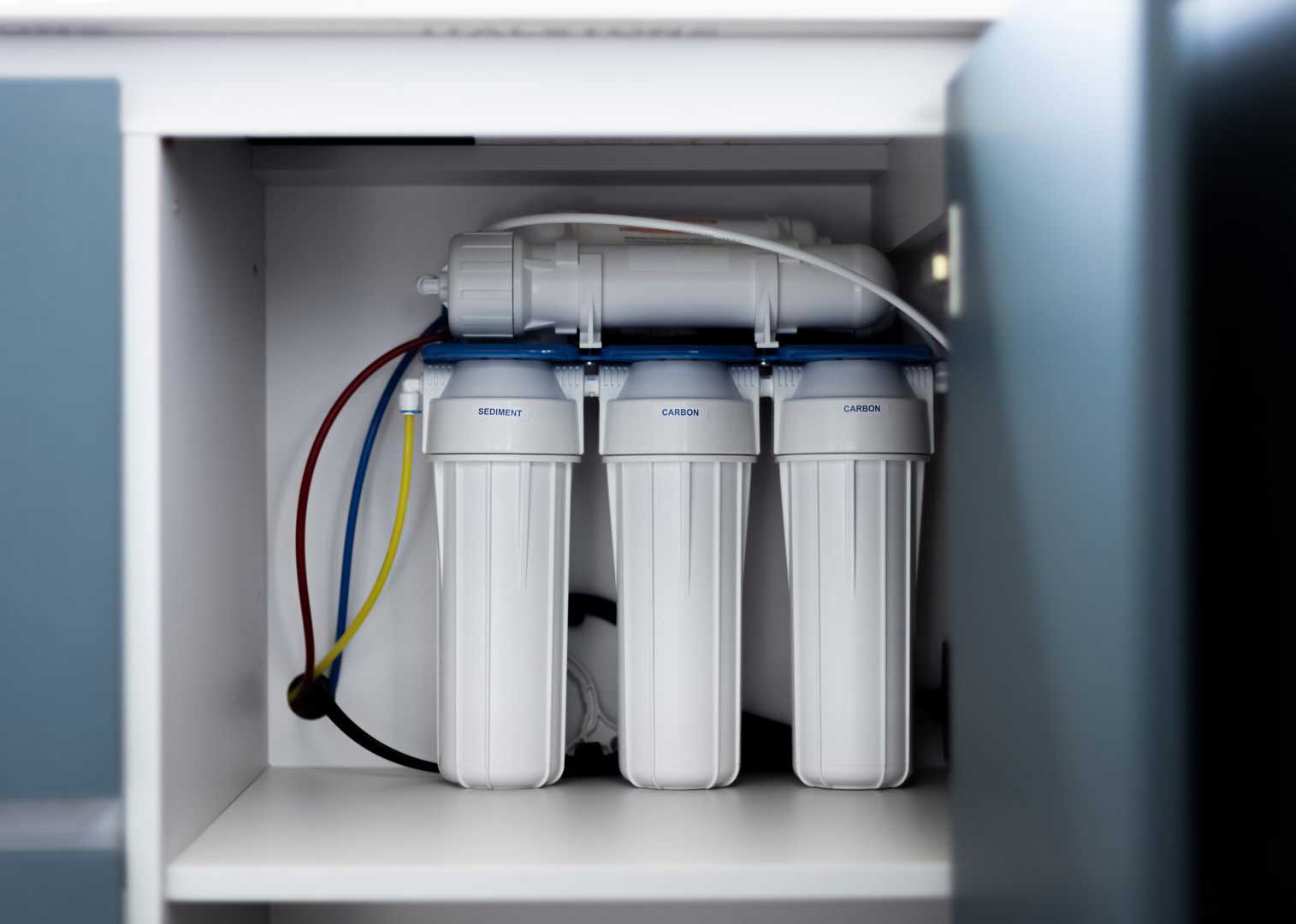
Meridian has one of the harder water profiles in the Treasure Valley. The Snake River Plain aquifer that supplies the area carries significant dissolved calcium and magnesium — minerals that accumulate in pipes, appliances, and fixtures throughout a home’s entire water system. In our work serving Meridian homeowners, water softener installation has become one of the most requested upgrades we handle, and the reasons consistently point to the same ten benefits. If you’re on Meridian city water and don’t have a softener, here’s what you’re likely experiencing — and what changes when you install one.
What Hard Water Means for Your Plumbing
Hard water’s effect on plumbing is gradual and cumulative. Calcium and magnesium carbonate deposits form on the interior walls of supply lines, the heating elements of water heaters, and the internal components of dishwashers and washing machines. Over a decade of hard water exposure in a Meridian home, a water heater that started life at full efficiency may be operating at 70% efficiency — doing more work for the same output, and wearing faster than it should.
The white scale visible on faucets and showerheads is the surface indicator of the same process happening invisibly inside pipes. Installing a water softener eliminates mineral buildup throughout the entire system, protecting the plumbing investment and restoring the efficiency of every water-using appliance.
The Benefits of Water Softeners for Meridian Homeowners
For Meridian homeowners, the benefits of softened water extend across multiple dimensions simultaneously:
Improved Appliance Longevity
Hard water scale is the primary cause of premature water heater, dishwasher, and washing machine failure in high-hardness areas. Softened water eliminates scale formation on heating elements and interior surfaces, allowing appliances to operate at design efficiency for their full rated lifespan. The reduction in repair frequency and the extended replacement cycle represent real dollars — typically more than the cost of the softener system within the first few years of operation.
Enhanced Skin Health
Meridian’s hard water leaves a mineral residue on skin after showering that interferes with natural moisture retention and contributes to dryness and irritation. With softened water, soap lathers more completely, rinses fully, and doesn’t leave mineral deposits behind. The difference is noticeable within the first week of installation — skin that feels softer and less dry after washing, particularly in the winter months when the issue is most pronounced. A whole-home water filtration system further enhances water quality beyond softening, addressing chemical content alongside mineral hardness.
Extending Your Appliances’ Lifespan With Water Softeners
The specific mechanism of appliance damage from hard water is scale accumulating on heating surfaces. A water heater element encrusted with 1/4 inch of calcium scale operates at roughly 30% reduced efficiency — heating the same water volume requires more energy and more time. The element itself runs hotter than designed, accelerating wear. The same process affects dishwasher heating elements, washing machine drum heaters, and coffee maker heating coils.
Softened water prevents this accumulation from forming. Existing scale in appliances already affected can be partially addressed with descaling treatments before the softener is installed. The combination of a softener and maintenance of your water heater system extends the equipment’s operational life significantly.
How Soft Water Impacts Your Skin and Hair
The impact on skin and hair is consistently reported as one of the most immediately noticeable changes after softener installation. Hard water’s mineral content creates a film on hair after washing that makes it feel heavier, look duller, and tangle more easily. Shampoo and conditioner can’t rinse fully from hair when the water itself is depositing minerals. Softened water rinses completely, allowing hair to return to its natural texture and condition.
For skin, the difference is particularly meaningful for children and household members with eczema or dry skin conditions. The minerals in hard water disrupt the skin’s natural moisture barrier — softened water removes this irritant, and the improvement in skin comfort is typically noticeable within days. Addressing water heater repair issues caused by mineral buildup further protects the household’s plumbing investment.
How Water Softeners Save You Money on Energy Bills
Reduced Appliance Maintenance Costs
The financial case for water softener installation in Meridian, ID, is straightforward when full costs are calculated. A water heater operating with 1/4 inch of scale uses approximately 25% more energy than a scale-free unit. A dishwasher running on hard water requires more detergent to produce clean results and runs hotter to compensate for the scale interference on the heating element. Across a household’s full complement of water-using appliances, the energy efficiency gains from softened water are measurable monthly.
Increased Energy Efficiency
Beyond the reduction in appliance maintenance costs, softened water reduces the total energy input required to heat water to the same temperature. Over a full year, the energy savings on water heating alone can approach the annual cost of water softener salt — making the operating cost of the system effectively neutral while all the other benefits accrue.
Reducing Soap and Detergent Usage With Water Softeners
Hard water requires 50 to 75% more soap and detergent to achieve the same cleaning result compared to softened water, because the minerals in hard water interfere with surfactant function. Homeowners switching to softened water consistently report using significantly less laundry detergent, dish soap, hand soap, and shampoo — and getting equal or better results. The household product savings alone cover a meaningful portion of the softener’s annual operating cost.
How Water Softeners Improve Your Drinking Water Quality
Softened water tastes different — and most Meridian homeowners report preferring it. The mineral content that makes hard water taste slightly flat or metallic is removed in the softening process. For households that have relied on bottled water for drinking and cooking, softened water (particularly when paired with a point-of-use filtration system) often eliminates that expense entirely.
Why a Water Softener Is Good for the Planet
Reduces Water Waste
Appliances running on hard water use more water per cycle to compensate for reduced cleaning efficiency. Softened water allows appliances to clean effectively at designed cycle lengths and temperatures — reducing the water and energy consumed per load over thousands of appliance cycles annually.
Minimizes Chemical Use
Less detergent and cleaning product use means fewer surfactants, phosphates, and chemical compounds entering the wastewater stream. For Meridian households with environmental priorities, this is a meaningful secondary benefit of softener installation that compounds across the household’s lifetime.
Choosing the Right Water Softener for Your Home
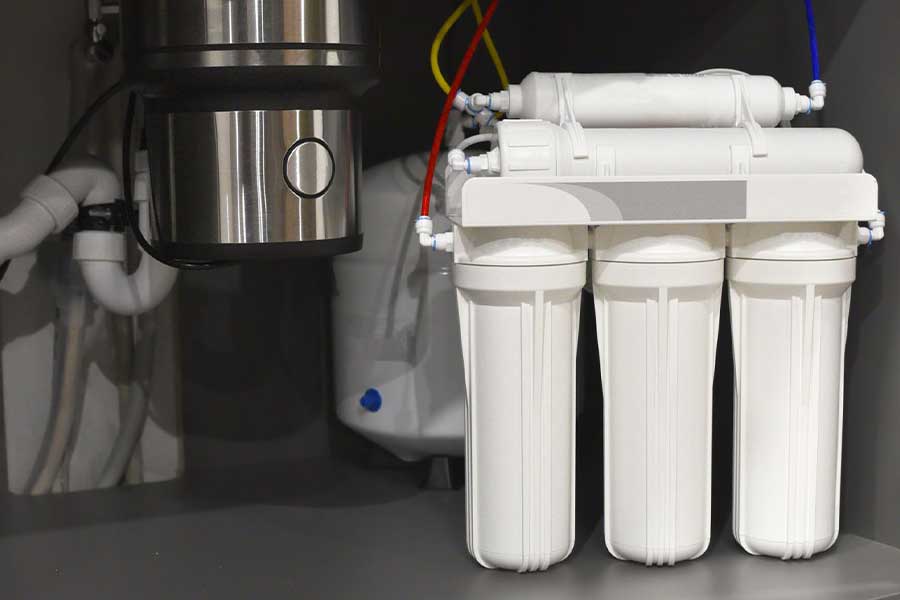
The right softener is sized to the household’s daily water usage and the measured hardness of the local supply. Salt-based ion exchange systems are the gold standard for high-hardness areas like Meridian. Salt-free systems are appropriate for moderate hardness, but typically aren’t sufficient for the Treasure Valley’s water profile. Alchemy Plumbing sizes and installs softeners based on the specific water hardness in your area, not a generic recommendation. Contact our team today to schedule a water quality assessment and get a recommendation for the right system for your home.
Common Myths About Water Softeners Debunked
Several misconceptions keep Meridian homeowners from installing softeners that would meaningfully improve their home’s water quality and plumbing health. The most common ones worth addressing: Softened water is not unsafe to drink — it simply contains less calcium and magnesium than hard water. Modern salt-based softeners are not water-wasting; current generation systems use significantly less water for regeneration than older equipment. All softeners do not require constant maintenance — properly sized and installed systems run with minimal attention beyond periodic salt refills. Understanding what softeners actually do — and what they don’t do — allows homeowners to make informed decisions about what’s right for their home.