











Kirkland sits on the eastern shore of Lake Washington — a community where water quality is both a local conversation and a household priority. Municipal water treatment in the Seattle metro area meets federal standards, but “meets standards” and “ideal for drinking” represent different benchmarks. In our work serving Kirkland homeowners, reverse osmosis (RO) systems are among the most requested water quality upgrades, and the homeowners who install them consistently describe the improvement in taste and confidence as significant. Here’s what the technology does, why it matters in Kirkland, WA, and what professional installation delivers.
The Basics of Reverse Osmosis: How It Works
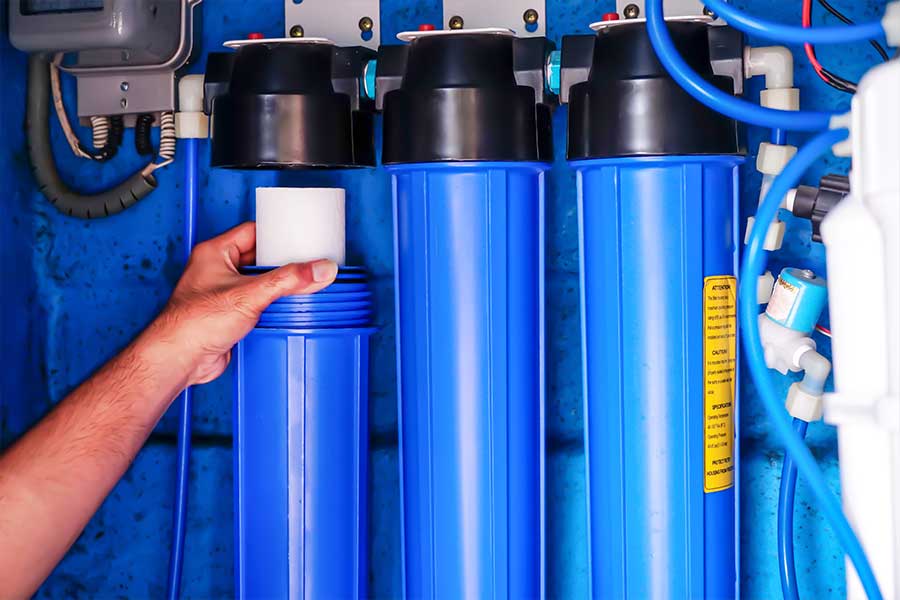
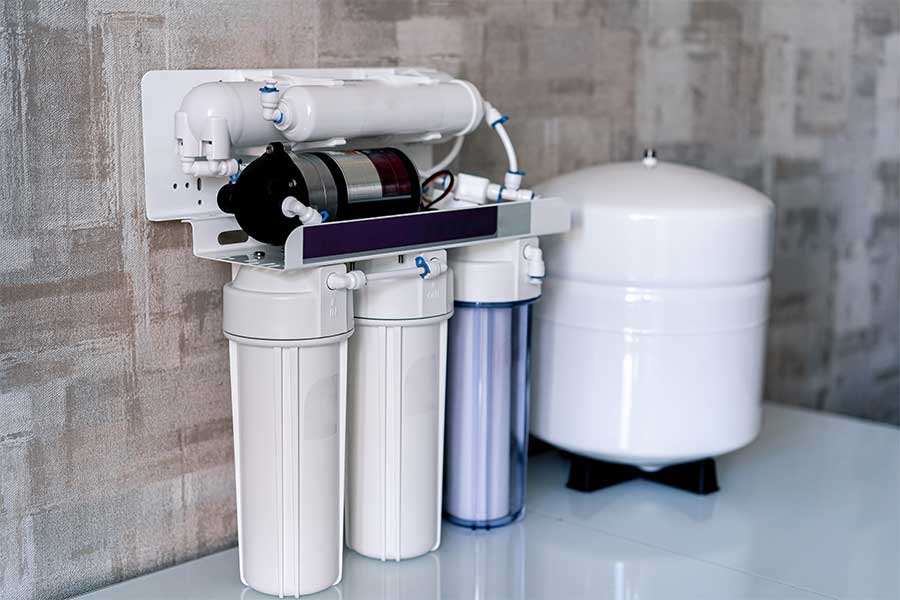
Reverse osmosis uses hydraulic pressure to force water through a semipermeable membrane with pore sizes small enough to block dissolved solids, heavy metals, and many biological contaminants. Water molecules pass through; dissolved solids, chlorine compounds, lead, arsenic, and other contaminants are rejected and flushed out. Most residential RO systems include a pre-filter stage for sediment and chlorine, the RO membrane itself, and a post-filter stage for final polishing — typically producing water stored in a dedicated tank under the sink, available on demand from a dedicated faucet.
The result is water with a measurably different composition from tap water. The mineral content is reduced, the chlorine taste is eliminated, and contaminants of concern are removed to trace or undetectable levels. Professional water filtration system installation ensures the system is configured correctly for the home’s water pressure and flow rate, and that every connection is leak-free from day one.
Why Kirkland Residents Should Invest in Reverse Osmosis Systems
Kirkland’s water supply comes primarily from the Cedar River Watershed and the South Fork Tolt River — sources that are protected and well-managed, but that still undergo chemical treatment before reaching household taps. The chloramine treatment used throughout Seattle Metro leaves a detectable taste and odor in finished water. Lead and copper can enter water after treatment, through the service lines and household plumbing in older Kirkland properties. An RO system addresses all of these concerns:
- Enhanced Water Taste: Chloramine treatment residual is eliminated, leaving water that tastes clean without chemical aftertaste
- Health Benefits: Contaminants removed include lead, arsenic, and other compounds that municipal treatment doesn’t fully address
- Cost Savings: Replacing bottled water purchases with RO water at home typically recovers the system cost within 12 to 24 months
- Reduced Plastic Waste: Eliminating single-use water bottles contributes meaningfully to household waste reduction
- Convenience: Purified water on demand at the kitchen sink, without carrying cases or waiting for delivery
- Improved Water Quality: Pairing RO with water softener installation addresses both dissolved mineral hardness and broader contaminant concerns simultaneously
What Contaminants Can Reverse Osmosis Remove?
A properly maintained RO system removes up to 99% of the contaminants that concern Kirkland homeowners most. The list includes lead — particularly relevant in older Kirkland homes where service line material may be uncertain — arsenic, chlorine and chloramine compounds, fluoride, nitrates, mercury, copper, and most bacteria and viruses at standard residential operating pressures.
Water quality testing, available through Alchemy Plumbing, establishes a baseline for what’s actually present in your specific home’s water — allowing system selection to be matched to the actual contaminant profile rather than a generic recommendation. Expert water leak detection also ensures the supply lines feeding the RO system are structurally sound and not introducing contaminants from deteriorating pipe material.
Understanding Installation and Maintenance of Reverse Osmosis Systems
Professional installation locates the system under the kitchen sink, connects it to a cold water supply line with a saddle valve, routes the waste reject water to the drain, and connects the dedicated faucet through the sink deck or countertop. A storage tank provides on-demand water at flow rates appropriate for drinking and cooking. The process takes two to three hours and leaves the kitchen in the same condition it started.
Maintenance is straightforward but requires consistency:
- Pre-filter replacement every 6 to 12 months, depending on sediment and chlorine levels in the source water
- RO membrane replacement every 2 to 3 years under normal usage conditions
- Post-filter replacement annually
- Periodic sanitization of the storage tank to prevent bacterial growth
- Annual system performance check to confirm contaminant reduction levels remain at specification
Regular maintenance on an RO system is analogous to any other household plumbing maintenance — straightforward when done on schedule, and more expensive when deferred.
Why Choose Alchemy Plumbing for Your Reverse Osmosis Needs
With over 25 years of experience serving communities throughout the Pacific Northwest including Kirkland, Alchemy Plumbing brings certified expertise to every water quality installation. We assess the specific water profile of your home, recommend the system configuration appropriate for your actual water chemistry, and install it with the same precision and clean-workspace standard we bring to every service call.
Our commitment to integrity means we don’t recommend systems that aren’t appropriate for your situation or charge for components your home doesn’t need. The quote we provide is the invoice you receive. For Kirkland homeowners ready to upgrade their household water quality, contact our team today to schedule a water quality assessment and get a recommendation built on actual data from your home.